
Our questions to candidates
#1. Transportation: Traffic congestion on the North Shore is one of the greatest concerns for our residents. What specific initiatives would you propose to expand transportation options in our community? (150 WORDS or less)
#2. Community: It is a privilege to live in this community. We enjoy a unique level of safety, great schools, and a stunning natural environment. But strong communities are built on something much deeper. What are the specific initiatives you would propose to build an even stronger community? (150 WORDS or less).
#3. Housing: Housing variety is an essential component of a vibrant community. To meet the housing needs of seniors, downsizers, young families, and the local workforce, we must have a variety of housing options. What specific initiatives would you propose to address these needs? (150 WORDS or less).
#4. Climate Change: West Vancouver is faced with environmental, economic, and social challenges related to climate change. What specific initiatives would you propose to mitigate and adapt to climate change? (150 WORDS or less).
Candidate Responses
Click on a candidate’s name to see their answers below, or simply scroll down.
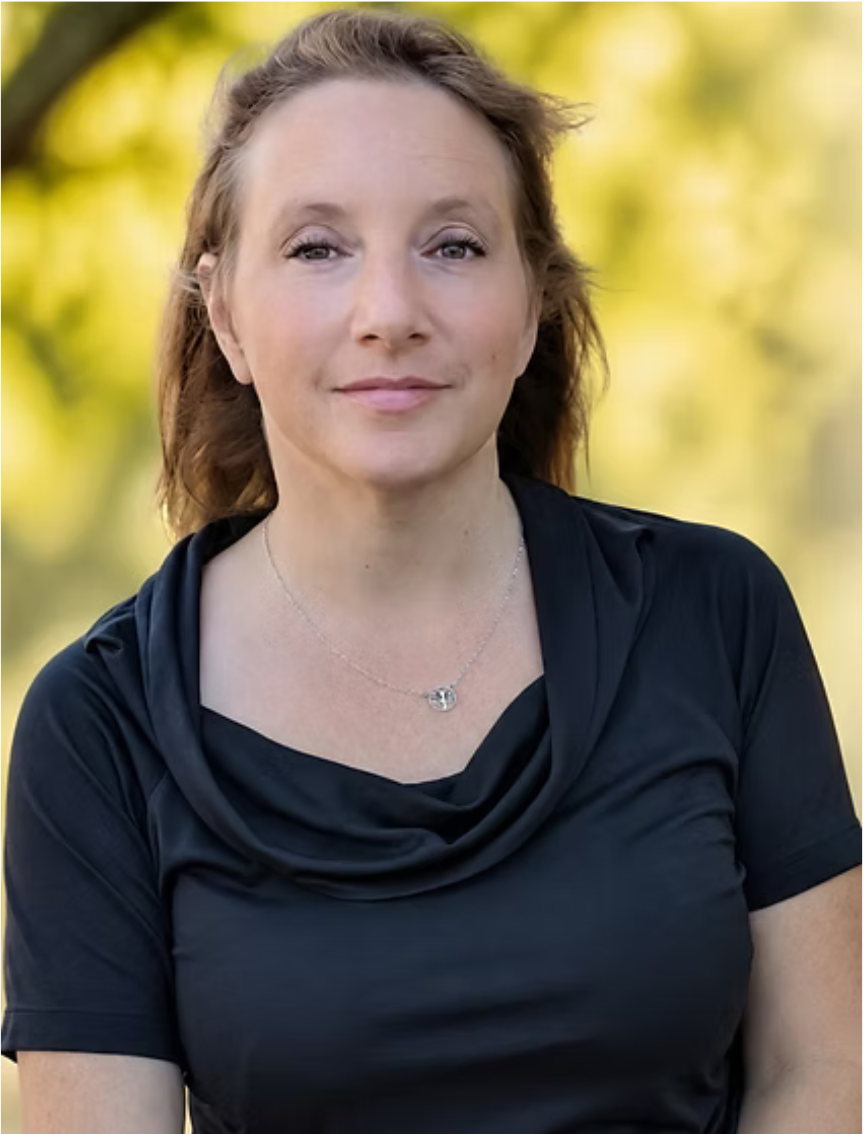
ALEXIS CHICOINE
#1 Transportation
The North Shore Transportation Survey, conducted every two years by our three North Shore municipalities, shows that many of our car trips are relatively short. In 2023, 40% of car trips made by West Vancouver residents were less than 4.6 kilometres. The latest 2025 survey found that across the North Shore, 54% of car trips were within that distance.
I would prioritize updating West Vancouver’s Strategic Transportation Plan, using current evidence to understand how people are moving throughout our community and where improvements can make the greatest difference. That includes improving traffic flow and safe, accessible walking and cycling connections, while working with our neighbouring municipalities, higher levels of government and TransLink to improve transit and address our shared transportation challenges.
Transportation planning should also be integrated with neighbourhood, housing and local business planning. This isn’t about forcing people out of their cars. It’s about giving people more choices for getting where they need to go.
#2 Community
A strong community creates opportunities for people of different ages and abilities to connect, participate and feel they belong.
I would look for opportunities to bring community amenities together rather than building stand-alone facilities. Shared spaces for recreation, arts, seniors and other activities can encourage interaction across generations and abilities, helping strengthen social connections and a sense of belonging. Co-locating amenities can also make better use of public land and resources. I would pursue partnerships with senior governments, non-profits, community organizations and other funders so these investments do not fall entirely on West Vancouver taxpayers.
I would strengthen civic engagement by bringing more opportunities for input into neighbourhoods across West Vancouver. That could include neighbourhood conversations, pop-ups at community events and partnerships with local organizations, alongside online opportunities and different times and formats to make participation easier.
Broader participation helps us hear different perspectives while building stronger connections across our community.
#3 Housing
West Vancouver needs more housing choices so people can remain part of our community as their lives and needs change.
I support expanding options such as townhomes, multiplexes, apartments, rental housing and accessible homes, providing alternatives for seniors who want to downsize, young families, and people who work in our community.
With provincial housing requirements changing what municipalities can control, Council should focus on the tools still available to us: planning infrastructure and transportation alongside growth, protecting and expanding rental and non-market housing where possible, and using public land strategically for community benefit.
Housing is also connected to traffic, local businesses and community vitality. When people who work in our schools, businesses and services have more opportunities to live closer to where they work, we can shorten commutes and reduce pressure on our transportation system.
Housing shouldn’t be considered in isolation. Good planning connects the pieces.
#4 Climate Change
West Vancouver already has important climate and environmental plans in place. My focus would be turning those plans into practical action. I would continue implementing our Climate Action Strategy and Urban Forest Management Plan, ensuring they evolve with emerging research and best practices. This means protecting and renewing our tree canopy while looking for practical opportunities to reduce emissions and improve the efficiency of municipal buildings and infrastructure.
I would strengthen wildfire resilience through an evidence-based approach that considers prevention, early detection, FireSmart measures, emergency response and evacuation preparedness.
I would also make better use of the expertise on our Environment Committee, ensuring its research and recommendations inform Council's environmental decisions. I support solutions that accomplish several things at once. Rain gardens, for example, can help manage stormwater while supporting greenery and biodiversity, and improve our streetscapes.
Environmental resilience should be part of how we plan, invest and renew our community — protecting what we value while preparing for the future.
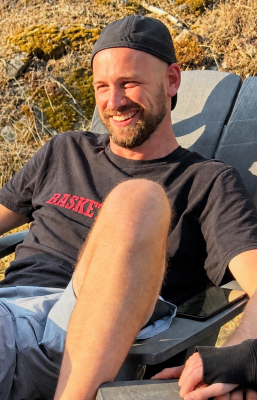
BEN HUNTER
#1 Transportation: We can end congestion with congestion pricing in collaboration with the wider Vancouver community, but the first easy step West Van can take independently is to prevent congestion due to parking. Hopefully later in collaboration with Metro Vancouver, we can toll bridges and entry to downtown when they are over capacity. This might sound like it would make people poorer, but if the charge only applies when the parking lot, bridge, or downtown is over capacity, it actually makes us all better off. This past year, the West Van council showed a lack of understanding of these issues when they charged $5 at Ambleside Beach at 7am for parking, and again by keeping parking free in the commercial parking next door even at midday, creating spillover and congestion as people tried to find free spots.
#2 Community: I recently returned from biking over to Victoria taking the Lochside trail. I saw children pedalling in safety with their parents, friends, and community groups. West Van is certainly safe in most senses, but is absolutely not for cycling if you look at Marine Drive. One downside of growing up in West Van is children are at the mercy of their parents' ability to drive them around. An east/west bike route could build some independence and get the community out on their bikes safely. The recent news about investigating passenger rail going north from Vancouver sounds positive, but my expectation is that it won't lead anywhere productive as the route doesn't have the population to support economical use of the railroad and the effect will be only to delay transitioning the railroad into the incredible bike path it could be
#3 Housing: I would allow more housing. Part of my motivation to run was watching several projects that seemed quite modest get delayed by arbitrary feelings of council members about the look or feel. The townhouse proposal by Glen Eagles Golf Course seems like a dream home for myself to raise a family in. To see councillors criticize and oppose it based on vibes was incredibly frustrating. I'd love to be a voice on council asking those causing delays if they realize they are making housing more expensive.
#4 Climate Change: Climate must be solved with international cooperation. That said, everything I advocate for has a mitigation side effect: expanding bike and transit options, managing congestion, and allowing more housing options all reduce emissions. While I did study many environmental science and engineering topics during my undergraduate degree, I don't know enough about the district's adaptation strategies to comment. I would of course support long term investment in protection from climate change.
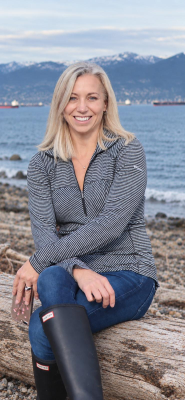
SHERRY KEANE
#1 Transportation: I would advocate for a coordinated transportation and infrastructure plan focused on our worst bottlenecks, unsafe intersections, sidewalk gaps and school congestion areas. I would support working with TransLink and neighbouring municipalities to improve bus frequency, reliability and connections across West Vancouver and the North Shore. I would also advocate for safer, connected walking and cycling routes and clear policies for electric bicycles and scooters. Giving residents safe alternatives to driving can reduce traffic while improving accessibility. For new housing proposals, I would ask for clear information about the transportation demands they would create, the improvements required, who would fund them and when they would be delivered. I believe growth and transportation planning must happen together, not after congestion has already worsened.
#2 Community: I would advocate for regular opportunities for residents, including youth and seniors, to help shape programs and decisions before plans are finalized. I would also support protecting and improving our parks, recreation facilities and public spaces, which are central to community life. West Vancouver already has youth facilities and programs, but some appear underused. I would encourage the District to ask young people why they are not attending and what would make these spaces more relevant, welcoming and safe. I would support youth mentorship, educational and life skills programs that build confidence, accountability and purpose. I would also encourage intergenerational initiatives, stronger neighbourhood volunteer networks and better use of existing community spaces. As a councillor, I would work with residents, community organizations and my Council colleagues to explore what is practical and effective.
#3 Housing: I would advocate for housing choice that is thoughtfully designed and matched with our infrastructure capacity. This could include smaller, accessible homes near shops, services and transit for seniors; townhouses and apartments suitable for families; and attainable rental and ownership options for the local workforce. I would support improvements to the permitting process, including clearer requirements, fewer duplicate reviews and more predictable timelines, since unnecessary delays increase housing costs. When proposals come before Council, I would consider building scale, architecture, landscaping, environmental protection, accessibility and neighbourhood fit. I would also ask how each proposal would affect roads, transit, water, sewer and community services, as well as how and when necessary improvements would be funded. I believe we can expand housing options while protecting West Vancouver’s character and natural beauty.
#4 Climate Change: I would advocate for an updated assessment of West Vancouver’s wildfire, extreme heat, flooding, slope and shoreline risks, with the findings used to guide infrastructure investment and emergency planning. I would support proactive maintenance of drainage systems and culverts, stronger FireSmart programs in interface neighbourhoods, protection of forests and streams, and regular professional tree assessments to monitor tree health and identify disease, instability or potential safety risks. I would also advocate for emergency plans that are clear and accessible to residents. I would encourage energy efficient; climate resilient design and the protection of natural systems that help manage heat and stormwater. As a councillor, I would ask the District to establish measurable targets, report progress publicly and evaluate initiatives based on cost, effectiveness and demonstrated results.
Thank you again for inviting me to participate and for giving candidates the opportunity to share their perspectives. I appreciate the work Positive Voices West Vancouver is doing to encourage informed community discussion. I would also be happy to include a link to Positive Voices West Vancouver on my campaign website so visitors can learn more about your organization and review the valuable survey work you have completed. Please let me know if this would be helpful.

MAHSOO NADERI
#1 Transportation: Traffic congestion requires regional collaboration, mindful planning, and practical solutions that reflect the needs of our residents. As a Professional Engineer with extensive experience in infrastructure planning and major project delivery, I understand the importance of integrating transportation improvements with community growth. I would advocate for stronger collaboration with neighbouring municipalities and TransLink to improve transit reliability and connectivity, particularly between commercial centres, and major transportation hubs like the new R2 RapidBus between ParkRoyal and Metrotown. Our goal should be to make public transportation a practical and attractive alternative to driving, particularly for students, seniors, and residents who depend on transit. I would also support reviewing traffic patterns, improving intersection efficiency and traffic signal coordination, and expanding safe pedestrian connections and cycling options where appropriate. New developments must be evaluated alongside transportation capacity, and my focus would be on evidence-based transportation planning, responsible investment, and improving mobility while protecting the safety and character of our neighbourhoods.
#2 Community: A strong community is one where residents of all ages feel safe, connected, and proud to belong. As a West Vancouver resident raising two children in our local schools, I understand the importance of investing in community spaces and services that support families, youth, and seniors. I intend to support revitalizing our village centres, supporting local businesses, and creating welcoming public spaces where neighbours can connect. I would also prioritize accessible recreational facilities, youth programs, and opportunities that bring different generations together. My experience in municipal governance and managing public infrastructure has reinforced the importance of ensuring that community investments respond to demonstrated needs and deliver long-term value. Meaningful public engagement is equally essential. Residents should have opportunities to shape decisions before major projects are approved.
Building a stronger West Vancouver means protecting what makes our community special while investing in the facilities and connections that support its future.
#3 Housing: West Vancouver needs diverse housing options that allow seniors to downsize, young families to establish roots, and our local workforce to live closer to their communities. As an Engineer with experience in development, I understand that responsible growth requires more than increasing housing supply. I would only support thoughtfully designed housing options, including smaller homes, duplexes, and appropriately scaled multi-unit developments that respect neighbourhood character and our natural environment. Development must be coordinated with infrastructure capacity, including water, sewer, parking, transportation, and community services. Clear design standards, meaningful neighbourhood consultation, and long-term infrastructure planning are essential to ensuring that new housing responds to our evolving needs while preserving the qualities that make West Vancouver special.
#4 Climate Change: As a champion in sustainability with ENVision designation, I bring practical experience in sustainable infrastructure, energy management, and major capital projects. I currently oversee facilities and operational portfolios where energy efficiency, environmental responsibility, and long-term asset management are essential. For West Vancouver, I would prioritize wildfire preparedness, improved stormwater management, and infrastructure upgrades to strengthen our resilience to extreme weather. I would also advocate for improving municipal building energy efficiency, evaluating lower-carbon technologies, and integrating sustainability into infrastructure renewal and development planning. Protecting our urban forest, natural landscapes, and green spaces is equally important for managing heat, supporting biodiversity, and preserving our community's character. Climate initiatives should be guided by measurable environmental benefits, financial responsibility, and long-term community needs. My focus would be on implementing practical, achievable solutions that reduce emissions, strengthen community safety, and prepare West Vancouver for future climate challenges.

SYLVIA OLSEN
#1 Transportation: Traffic congestion on the North Shore Traffic congestion requires cooperation among the District, TransLink and senior governments. Although West Vancouver operates the Blue Bus system, TransLink determines routes, schedules and service levels. I would advocate for more reliable service, particularly for seniors and underserved neighbourhoods.
Within municipal authority, I would prioritize effective traffic management, safer intersections and well-maintained roads and sidewalks. School drop-off and pickup congestion also requires attention. The District should work with schools and parents to develop location-specific plans, including safer pickup zones, improved traffic flow, crossing support, appropriate bylaw enforcement and practical walking or school-bus options.
The District should also advocate for regional transit improvements and long-term solutions to bridge congestion. Transportation decisions must reflect our geography and neighbourhoods, be informed by residents and supported by evidence, transparent costs and measurable results.
#2 Community: It is a privilege to live in West Vancouver, and we should not take our safety, natural beauty or sense of community for granted. Strong communities are built when people feel heard and connected.
I would support establishing a Seniors Advisory Committee, giving older residents a direct voice on mobility, accessibility, services, emergency planning and opportunities to remain connected and independent. I would support reviewing playgrounds and public spaces across West Vancouver to understand what we already have, what needs renewal and where genuine geographic gaps exist.
We must maintain the public spaces we already have and establish priorities based on demonstrated need, responsible budgeting and realistic long-term maintenance costs.
#3 Housing: A healthy housing system allows people to move through different stages of life within their community. I would prioritize accessible, single-level homes near villages and transit for seniors and downsizers; ground-oriented options such as duplexes and townhomes for families; and purpose-built rental and workforce housing through appropriate partnerships.
I would streamline permitting for proposals that comply with community plans and use the Housing Needs Report—not unit counts alone—to assess need, attainability and community fit.
Growth must be supported by water and sewer systems, roads, transit, emergency services and community facilities. Residents should be consulted early, with transparent analysis of infrastructure and financial impacts. Simply adding expensive units will not create attainable housing. The goal should be the right mix of homes in suitable locations while respecting neighbourhood character.
#4. Climate Change: The initiatives I would propose would focus on practical climate action that protects residents, infrastructure and our natural environment while respecting taxpayers. We should build on work already underway rather than duplicate it.
I would support implementing and regularly updating the Community Wildfire Resiliency Plan, including vegetation management, property-risk assessments, emergency communications and evacuation planning. The District should continue using condition and risk assessments to prioritize drainage systems and culverts while advancing existing work on coastal flooding and shoreline protection.
We should also protect our tree canopy, parks and waterways and support cost-effective energy improvements. Climate initiatives must demonstrate measurable benefits, transparent long-term costs and opportunities for provincial or federal funding.
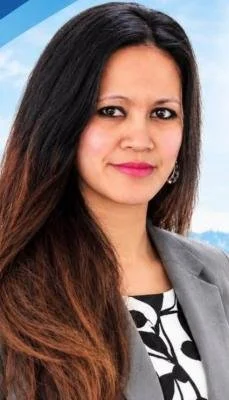
ANNSABELLE PRONYCH
#1 Transportation: Traffic congestion is a major concern for West Vancouver residents, and we need practical solutions that give people more transportation choices.
I sometimes ride the bus myself, so I understand how important reliable public transit is. Especially during the winter, waiting outside in the cold for a bus can be difficult, particularly for seniors and people with mobility challenges.
I would support working with TransLink, the Province and neighbouring municipalities to improve bus frequency, reliability and connections. I would also explore on-demand community transit for neighbourhoods that are not well served by regular routes.
Locally, I support safer sidewalks, cycling routes and multi-use connections, along with better traffic management at congestion points.
For regional transportation, West Vancouver should continue working with North Shore partners on long-term transit improvements.
My goal is simple: more transportation choices, safer roads and less time sitting in traffic.
#2 Community: I believe a strong community is built when people have opportunities to connect, not just live beside one another.
I would love to support more welcoming spaces and activities where residents can come together — such as community walks, dog walks, picnics, gardening, and outdoor board games like chess, Rummy and checkers. I would explore whether designated tables or gathering spaces in parks could provide seniors and families with simple opportunities to socialize and build friendships.
As an artist, I would also like to see more opportunities for local and emerging artists to exhibit their work, including accessible community art events and live painting activities.
I would support partnerships with community organizations to create activities that bring seniors, youth, families, artists and people from different cultural backgrounds together.
A strong community is one where people feel connected, included and welcome — and sometimes, something as simple as a walk, a game or a conversation can make a difference.
#3 Housing: West Vancouver needs practical housing solutions that provide more choices for seniors, people looking for smaller, more manageable homes, young families and our local workforce, while protecting the character of our neighbourhoods.
I would support appropriately located smaller homes, townhomes, apartments and accessible seniors’ housing, especially where existing infrastructure, transit and community services can support growth.
Before approving major developments, we should ensure our water, sewer, roads, transportation and emergency services can handle additional demand.
I also support more efficient and predictable permitting for appropriate projects while maintaining reasonable standards for safety, design and neighbourhood compatibility.
My goal is simple: more housing choices, supported by the infrastructure we need, while preserving the natural beauty and character of West Vancouver.
#4 Climate: We cannot control nature, but we can care for our environment and prepare our community for climate-related changes.
I would support practical measures to protect our forests, trees, waterways and coastline, while improving wildfire preparedness, stormwater management and infrastructure resilience.
As a new candidate, I want to learn more about the latest research and understand what solutions are most appropriate for West Vancouver before making major decisions.
My goal is to protect the natural beauty of West Vancouver and make responsible, practical decisions for our community.
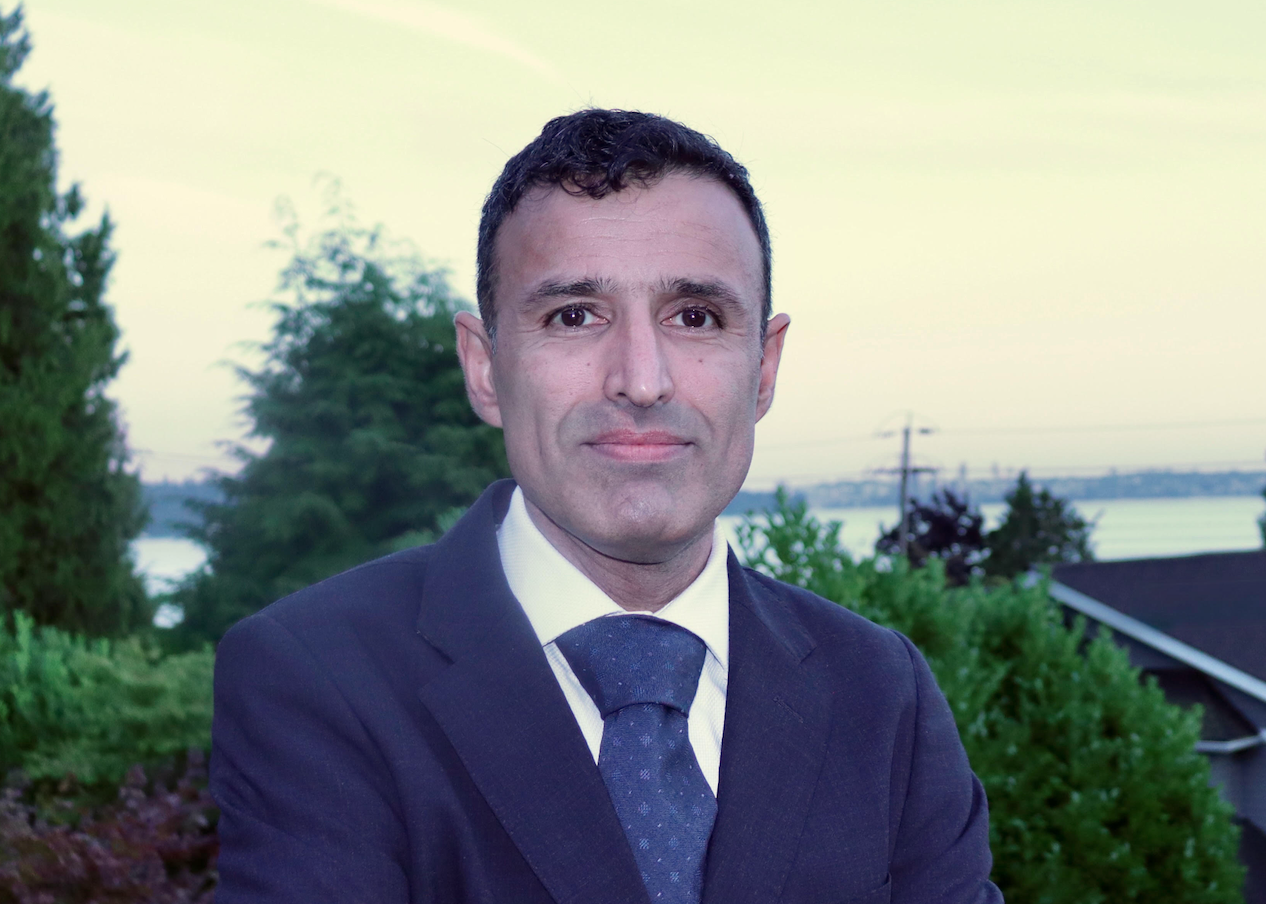
JAY SIDHU
#1 Transportation: The main causes of traffic congestion are: (1) the highways running through West Van, and (2) 75% of our workforce don’t live in West Van. For the last two years MLA Jeremy Valeriote and I have been pushing – alongside with the Sea to Sky communities – for the BC government to deliver on the long-promised regional transit from Vancouver to Pemberton, which will take a lot of vehicles off the road. I strongly support efforts to create workforce housing for the many dedicated staff who support this community and regret the last council’s opposition to staff housing at the renewed Inglewood Care Centre. We should also make our streets safer for pedestrians and cyclists – particularly seniors and kids – recognizing that about 25% of our residents do not drive. And finally we need to improve our bus service, providing a viable alternative for those don’t need or want to drive, particularly commuters.
#2 Community: I think improving community wellbeing and cohesion should be any government’s top priority. So many of the services and amenities provided by our local government contribute to healthy communities. Of course we need to have confidence that the district is meeting our basic needs – housing, infrastructure, security, and environmental stewardship. Beyond that we need the district and council to properly engage the community and clearly communicate if we are to retain confidence in their work. Two specific measures: (1) We should reconvene the Community Engagement Committee (dissolved in Dec 2023) which was tasked with assisting the district in its public consultations, and helped mitigate the kind of unhappiness we have seen over the Ambleside parking issue. (2) I will advocate for the gold standard in public engagement: a citizens’ assembly of the kind guiding council decision-making in New Westminster and Langley.
#3 Housing: The district should work with the province and other partners (such as the School Board) to identify land that could be made available for affordable housing – taking the outstanding Kiwanis Village West as the model - particularly for seniors and the people who look after us: health/care workers, emergency services staff, bus drivers, restaurant and etc. After all – we don’t want to wait for hours when they are stuck in traffic. We have seen that the alternative to meeting our own needs – as set up in successive Housing Needs Reports – is the imposition of a one size fits all mandate from the provincial government, requiring – for instance – four units on lots in the British Properties, well away from transit, amenities, and utilities. What we need to do is to focus housing growth in areas that have good existing infrastructure – shops, services, transportation, etc – in our village centres.
#4. Climate Change: West Van's natural landscape, between the mountains and the sea, makes it beautiful but also vulnerable to landslides, flooding, wildfire, and drought. Our natural assets - watershed, urban canopy, and shoreline - provide important ecological and human benefits, if we protect them. We should do much more to support slope stability and natural drainage by investing in rain gardens – large and small - rather than routing more and more stormwater into bigger and bigger drains, at enormous expense. I strongly support the Urban Forest Management Plan and believe that the modest Yard Tree Planting program should be expanded. I also believe that the district and council must hold firm on those pushing back against foreshore management policies. Finally municipalities are at the frontlines of climate change and we must keep up the pressure in reducing emissions. We should join the rest of the world and join the solar revolution.
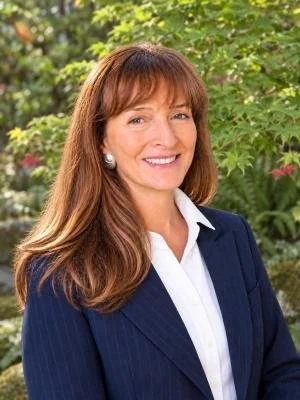
MELINDA SLATER
#1. Transportation: I would pursue a practical mix of transportation choices and targeted congestion improvements. West Vancouver should work with TransLink and neighbouring municipalities to improve reliable transit service, particularly during early mornings, evenings and weekends, and examine community shuttles for underserved areas.
School traffic is a significant source of congestion. I would support safer routes for walking and cycling, walking school buses and bike buses, and explore conventional school-bus service where practical.
The District should also improve signal timing and intersections where evidence demonstrates a benefit, and better coordinate roadwork and construction to reduce avoidable delays.
Council should assess the cumulative effects of approved and proposed development—not just each project in isolation—on roads, transit and parking. Transportation capacity and funded improvements should be planned before growth creates problems, not added afterward
#2. Community: A strong community is one where residents feel heard, can participate and have welcoming places to come together. I would hold town halls on community-wide issues, ensure residents’ questions receive answers, report how public input was considered and affected decisions, and recognize the important role neighbourhood associations play in involving residents.
I would strengthen District partnerships with longstanding institutions such as Hollyburn Sailing Club, West Vancouver Tennis Club, the Seniors’ Activity Centre and the Silk Purse. Maintenance, accessibility improvements and modest renewal can preserve what residents value while helping these places continue serving the community.
I would support locally rooted, accessible events such as the Dundarave Hoedown and Coho Festival. Community benefit should be measured by connection, not crowd size. Better sidewalks, seating, landscaping and public washrooms would strengthen our villages, while protecting mature trees, green space and neighbourhood character would preserve our sense of place.
#3. Housing: Housing variety should respond to identified needs. I would begin with evidence about who needs housing, what they can afford, and what types, sizes and tenures will meet those needs.
I would protect and renew viable older rental buildings, streamline approvals for accessibility renovations and secondary and caregiver suites, and allow suitable larger homes to be converted into multiple units. Community-supported plans should also provide for right-sized detached homes, coach houses, duplexes and other modest, ground-oriented options that fit neighbourhood character and infrastructure capacity.
Where the market cannot meet a demonstrated local need, partnerships may be appropriate, but any commitment of municipal land or public support should undergo meaningful public review. Council should disclose who will be served, the value of assistance, responsibility for taxes, utilities and services, and require secure long-term funding. For some workers, better early-morning, evening and weekend transit may be a more practical solution.
#4. Climate Change: Climate change is global, but many consequences must be managed locally. I would build climate risk into asset management and capital planning, prioritizing maintenance and adaptation of drainage, water, sewer, roads and public facilities for flooding, wildfire, drought and extreme heat.
I would protect existing mature trees, hedges, streams, watersheds, shorelines and connected habitat as natural infrastructure. Environmental protection should shape development from the beginning; new plantings should not be treated as equivalent to mature vegetation that could have been retained. Reusing and adapting sound existing buildings can also reduce demolition waste and construction impacts.
Mitigation must consider total impacts, not only efficiency per unit. Council should assess the cumulative construction, traffic, water, energy and servicing demands of growth against finite environmental and infrastructure capacity. For any proposed action, costs should be disclosed, benefits measurable and results reported publicly.
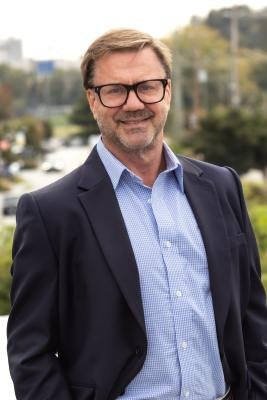
Tim Webb
#1 Transportation
Transportation is a huge issue and getting worse. My brother wrote a Grade 12 project in 1972 about the need for a third crossing and even won a trip to Victoria to present it. To say this is an ongoing issue is an understatement. I believe we need to push for a major, long-term solution while pursuing smaller, achievable initiatives in the meantime. That includes more direct bus routes to reduce reliance on cars, like the new bus connecting Metrotown to Park Royal, staggering ferry arrival times so two ferries aren’t unloading at once, and working with SeaBus to better stagger employee departures that can overwhelm the Second Narrows. Improving public transportation is a major part of the solution. If Park Royal proceeds with additional towers, we should also look at reducing parking requirements to encourage transit use.
#2 Community & Public Life
I believe the human experience of a community is about gathering together, getting out and seeing other people. Community isn’t buildings - it’s people.
We need to create better retail and public gathering spaces, support an arts centre, and activate more of our waterfront. If we can help reduce barriers for businesses to open shops, restaurants and other amenities, people will come.
The better the experience, the more people will want to come and that creates a community experiencing itself. Human interaction is healthy, and we need more reasons for people to get out, connect and enjoy where they live. We also need new retail space that can attract the quality retailers our community deserves.
#3 Housing & Community Growth
We have one of the oldest communities in the Lower Mainland, one of the highest percentages of homeowners without mortgages, and declining school enrolment. Why? In part, because we haven’t supplied enough of the missing middle - homes where people can downsize and young families can afford to live.
Apartments aren’t always the answer. Townhomes, half-duplexes and smaller homes can create those opportunities. If we don’t provide more of this type of housing, we will continue to see declining enrollment and seniors leaving our community because they can’t find suitable housing to move into.
4. Climate & Sustainability
Climate change is real, and we need to do our part locally. We can reduce parking requirements in new construction to encourage transit use, continue expanding recycling and waste diversion, improve public transportation to reduce car dependence, and continue reviewing our tree-management programs.
We also need to protect our streams and natural environment and continue expanding our cycling network. These are practical steps we can take locally while recognizing that larger climate issues require action at the provincial and federal levels as well.
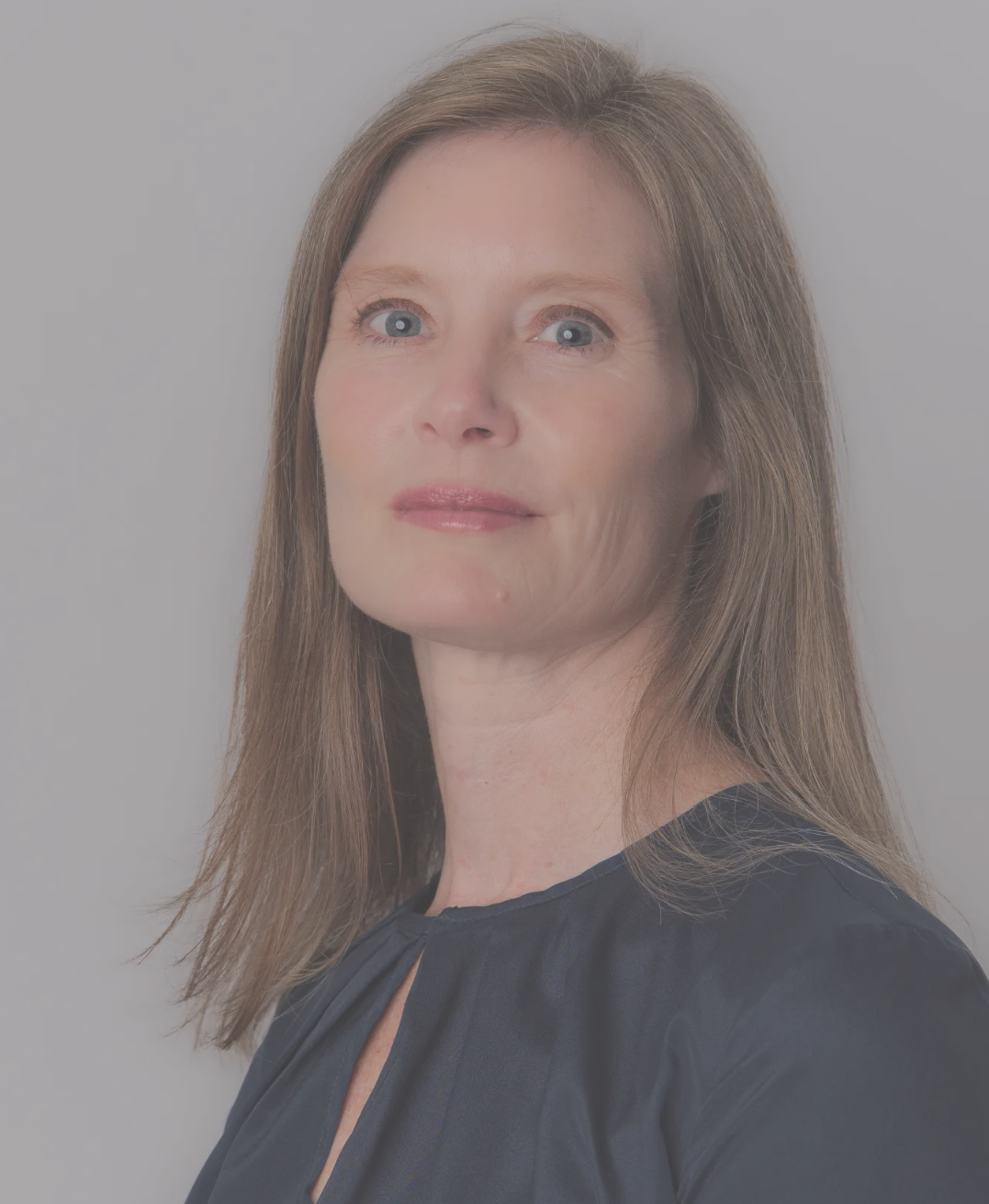
JAMIE WEBBE
#1. Transportation: Traffic congestion is a long-term issue for West Vancouver and there's no single fix. If elected, I'll keep working with TransLink to ensure West Vancouver is well served, maintaining our express routes amidst cuts and pushing for reliable transit to Cypress Village. I've done this kind of work before: I helped Jakarta electrify its transit system, building partnerships across government and the private sector to deliver it cost-effectively. But transit alone won't solve congestion. One of the key drivers of congestion is how far people travel between where they live, work, and go to school. That's why increasing housing choice for those already connected to the community is a transportation strategy: more options for families to live close enough for kids to walk or bike to school, and seniors to downsize while staying near friends and family. Fewer miles traveled means fewer cars on the road.
#2. Community: I believe that strong communities are founded on meaningful engagement that reflects the views and experiences of residents of all ages. To this end, I will work for a youth seat on the library board, mentorship opportunities pairing young people with community leaders, and real opportunities for youth to contribute to West Vancouver. I know what's possible: as President and CEO of the United Nations Association in Canada, I built pathways for youth engagement mentoring West Van youth at UN meetings and Model UN sessions. I’ve seen community building in action in my roles as coordinator of our Hockey for Autism program which our remarkable U-15 and U-18 volunteers built into one of the top inclusive programs in the province. I'm proud to have the endorsement of many young leaders, and will work hard to build a strong community that gives youth real space to grow.
#3. Housing: I believe that we need more housing choices for those who are already connected to this community. More than 80% of our rental units were built before 1980, and nearly a quarter are at risk of redevelopment. At the same time, seniors looking to downsize and young families looking to stay in catchment don't have the range of choice they need. I've spent years working across government and the private sector to build community-responsive growth. As a guest lecturer with the University of Southern Denmark, I trained municipal staff from over a dozen countries on financing and designing growth that serves people and the community. I want to bring that thinking home: working with residents, planners, and the private sector to go beyond policy to real action. I would also support ongoing processes like the new housing planned for municipal staff behind the firehouse, where demand still outpaces supply.
#4. Climate Change: After 20 years as a nature and climate expert at the United Nations, I know that West Vancouver needs to balance adaptation and mitigation based on evidence and data. On mitigation, I would focus on preserving green spaces as a low-hanging fruit, sequestering carbon while protecting our parks. On adaptation, I would address immediate risks, like rising heat and wildfire smoke, which threatens residents, especially seniors. As a priority I would work with partners to incentivize energy-efficient air conditioning in older buildings to protect our most vulnerable residents. I would also weigh climate risk to municipal assets before investing. I would look more closely at the flood risk to the underground parking being considered for the proposed arts and culture centre on 16th. I bring real experience to this pledge having spoken on resilient cities at the C40 Mayors Summit, the ICLEI World Congress, and Vancouver’s Urban Economy Forum.