Addressing Traffic Congestion on the North Shore
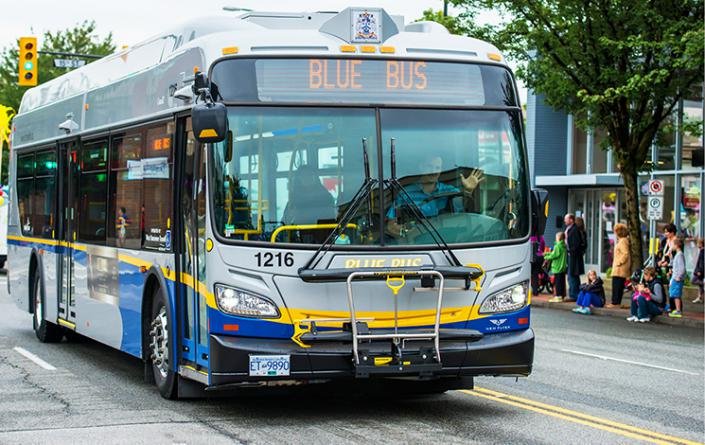
We at Positive Voices believe that reducing traffic congestion on the North Shore can best be achieved by decreasing the number of vehicles on our roadways. There are three ways to do this:
improve our transit service,
foster shared mobility services, and
build more active transportation infrastructure.
Promoting alternative modes of transportation would also help address climate change by reducing greenhouse gas emissions.
Public transit on the Sea to Sky highway
Some of North Shore’s traffic comes from vehicles travelling to and from destinations north of West Vancouver on the Sea to Sky highway. Public transit service on this route would help reduce automobile traffic on the North Shore. Additionally, it would be helpful if there were more affordable housing options on the North Shore so our workforce could live here and not have to drive across Burrard Inlet to get to work.
No third-crossing over Burrard Inlet
A 3rd crossing of Burrard Inlet that would accommodate more autos than the current two bridges makes no sense to us, as it would just result in more vehicles on the North Shore, thereby exacerbating traffic congestion on our roadways.
In 2018, MLA Bowinn Ma established the Integrated North Shore Transportation Planning Project (INSTPP) Steering Committee. It brought together representatives from all three North Shore municipalities — City of North Vancouver, District of North Vancouver, and District of West Vancouver — along with the Provincial Ministry of Transportation & Infrastructure, TransLink, the Governments of Canada and BC, and the Squamish and Tsleil-Waututh Nations to coordinate transportation planning for the region.
INSTPP has now evolved into North Shore Connects, which is working on a suite of projects to improve transportation and reduce traffic congestion to and from the North Shore (https://northshoreconnects.ca/projects/). It is a continuing partnership that includes those municipalities and First Nations working together on priorities such as rapid transit across Burrard Inlet (BIRT), corridor planning (e.g. Hwy 1/99 Upper Levels study), active transportation improvements, and goods-movement logistics across the North Shore.
Bus Rapid Transit
On 21 September 2025, TransLink completed public engagement on its plans for a Bus Rapid Transit service to the North Shore. Bus Rapid Transit will provide fast, frequent, and reliable service by operating in dedicated bus lanes, using transit signal priority at intersections, and providing weather-protected stations. Buses will operate between Metrotown and Park Royal via the Ironworkers Memorial Bridge. TransLink estimates that the Metrotown-North Shore BRT would provide rapid transit access to more than 85,000 households and approximately 100,000 jobs within walking distance of the planned route.
Instead of building more lanes
Reducing traffic congestion on the North Shore starts with reducing the number of cars on our roads. Instead of building more lanes and bridges for vehicles, we should focus on expanding rapid transit, improving bus service, supporting shared mobility options, and investing in safe walking and cycling routes. These solutions will move more people more efficiently, ease gridlock, and cut greenhouse gas emissions, helping to address both congestion and climate change.