Why investing in solar energy in British Columbia makes sense
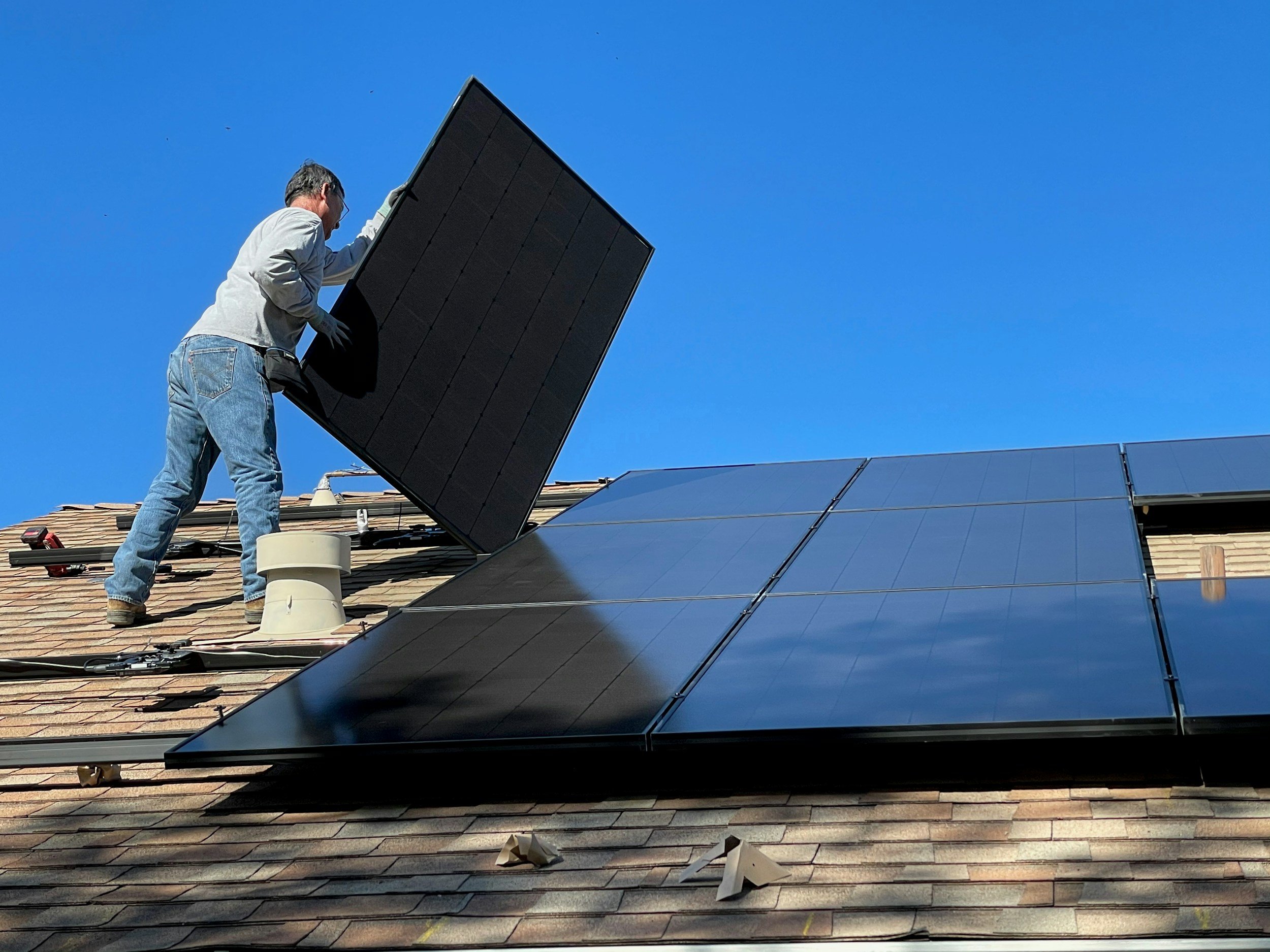
Investing in solar energy in British Columbia isn’t just an environmentally conscious decision—it can also be a smart financial move. With electricity costs rising and sustainability becoming a priority, solar panels offer homeowners a way to save money, reduce carbon emissions, and increase property value.
Financial benefits of going solar
The average BC household spends between $100 and $150 per month on electricity. With the right solar system, you could offset up to 100% of that cost. Over the lifetime of a solar system, this translates into tens of thousands of dollars in savings. While actual savings depend on your home’s efficiency and system size, the long-term financial benefits are undeniable.
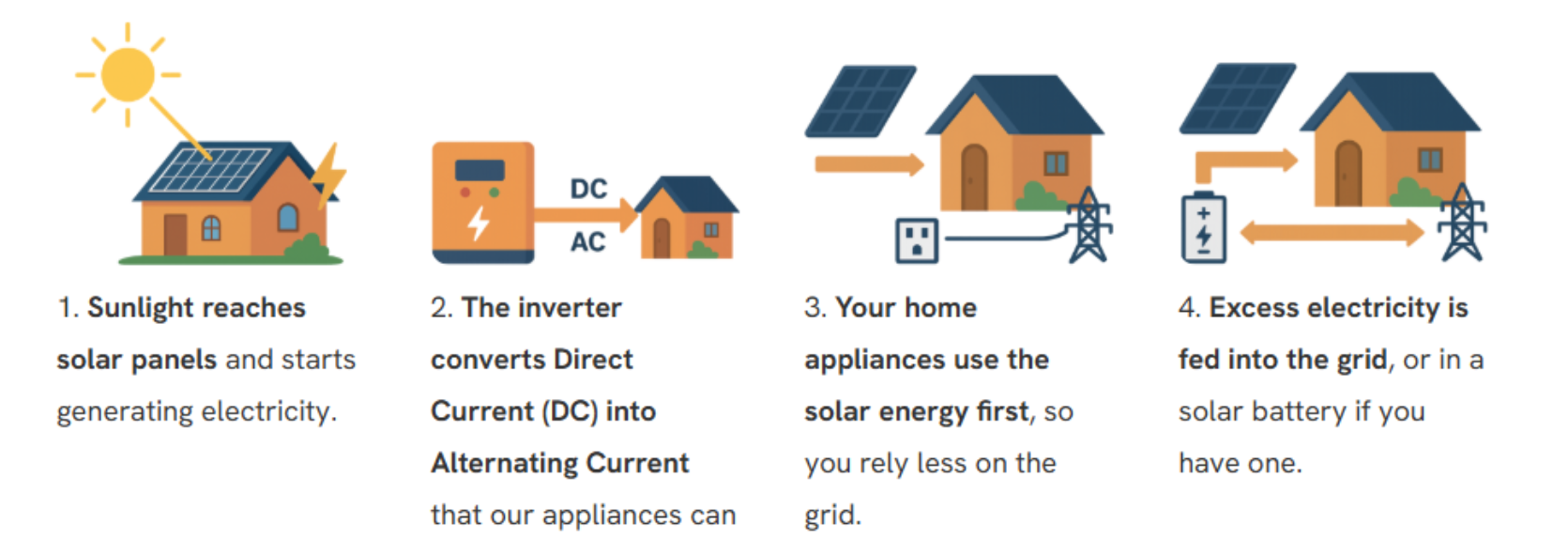
Solar panels convert sunlight into electricity. When sunlight hits the panels, it’s transformed into direct current (DC) electricity, which is then converted into alternating current (AC) by an inverter—the type of electricity your home uses. This energy can be consumed immediately, stored in a battery for later use, or fed back into the grid through BC’s net metering program. The process is automatic, quiet, and requires minimal maintenance once installed.
Energy storage and net metering
A solar battery allows you to store excess energy for use at night or during cloudy winter months. However, batteries add to the upfront cost of your system. Fortunately, BC’s net metering program offers an alternative: you can send surplus energy to the grid and receive credits in return. This effectively turns the grid into a virtual battery, reducing the need for physical storage and lowering initial costs. While batteries provide true energy independence and backup during outages, many homeowners choose net metering for its cost-effectiveness.
Costs, incentives, and payback
The cost of a residential solar system in BC typically ranges from $12,000 to $30,000, averaging $2.52 to $3.17 per watt of installed power. For an average home of 2,077 square feet using about 11,000 kWh annually, the corresponding solar system would cost roughly $15 per square foot before rebates.
Fortunately, BC offers several incentives to reduce upfront costs:
BC Hydro Rebates: Up to $5,000 for solar panels and $5,000 for battery storage.
Net Metering Program: Feed excess energy into the grid and earn credits for future use.
PST Tax Exemption: A 7% provincial sales tax exemption for solar installations.
Municipal Rebates: Programs like Vancouver’s Heritage Energy Retrofit Grant (up to $14,000) and other city-level incentives for green upgrades.
The solar payback period—the time it takes for your system to pay for itself through energy savings—typically ranges from 8 to 16 years in BC. For example, if you invest $20,000 and save $2,000 annually, your payback period is 10 years. After that, every dollar saved is pure profit for the remaining 15–20 years of your system’s lifespan.
Panel lifespan and recycling
Your solar panels will eventually stop working—typically after 25 to 30 years—and understanding what happens next is essential to making an informed, environmentally responsible choice today. BC residents rightly question whether their clean energy solution creates a waste problem down the road. The good news: approximately 95% of a panel’s glass, aluminum, and silicon can be recovered and reused through recycling. While BC currently lacks dedicated solar recycling facilities, emerging programs and legislation will soon require manufacturers to manage end-of-life panels. Until then, proactive homeowners can work with installers who partner with certified recyclers.
Environmental impact and sunshine potential in BC
Solar panels offset their carbon footprint within two to four years of operation and continue generating clean electricity for decades. BC already generates about 89% of its electricity from hydro, with wind and biomass contributing another 9%. Adding solar to your home further supports green energy initiatives and helps protect BC’s natural beauty.
Many homeowners wonder if BC gets enough sunlight for solar to work. Thanks to long summer days, Metro Vancouver generates plenty of solar energy during the sunny months—more than enough to offset winter’s shorter days. With Net Metering, surplus summer energy creates credits on your BC Hydro account, which you can use in winter when solar production is lower. This system ensures most, if not all, of your winter electricity costs are covered. Read about the Cornwall’s solar experience here in North Vancouver’s Canyon Heights neighbourhood.
The bottom line
Solar panels offer energy independence, protection against rising electricity costs, and a way to reduce your carbon footprint. With long summer days, BC Hydro’s net metering program, generous rebates, and emerging recycling solutions, investing in solar energy is a practical and sustainable choice for homeowners. Whether you’re looking to cut monthly bills, increase property value, or contribute to a greener future, now is the perfect time to explore solar options for your home.
Sources:
https://solarguide.ca/solar-guides/british-columbia/
https://www.bchydro.com/powersmart/residential/tips-technologies/solar-panels.html
https://www.penfoldsroofing.com/blog/is-there-too-much-rain-in-vancouver-for-solar-panels